New Hollywood: When American cinema changed forever
By the Movie.it Editorial Team
May 8, 2026
By the late 1960s, American cinema was changing in ways few could have foreseen. The once-omnipotent major studios were in crisis: television was drawing audiences away, the old rules of the studio system no longer held, and young audiences were demanding stories that were newer, bolder, more honest. Out of that crisis, New Hollywood was born, a period of innovation and artistic rebellion that would reshape American cinema and influence generations of filmmakers around the world.
The key figures of this revolution were young filmmakers such as Francis Ford Coppola, Martin Scorsese, Robert Altman, Brian De Palma, Roman Polanski, George Lucas, and Steven Spielberg: directors with a clear vision and a determination to tell uncompromising stories, using new visual languages, innovative technique, and a degree of creative freedom rarely granted before by the studio system. Film historians tend to agree that New Hollywood was never merely a passing trend. It was a genuine artistic movement, one in which the director became the creative centre of every project.
Iconic films and narrative innovation
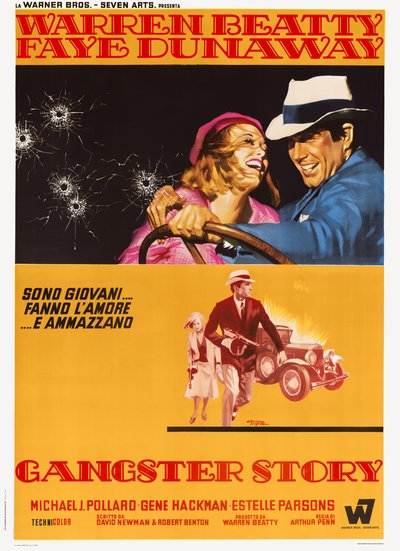
hat made New Hollywood unique was not only what its films said, but how they said it. Bonnie and Clyde (1967) shook America with its raw, unflinching violence; Easy Rider captured the rebellion of a generation that was both free and disillusioned; Midnight Cowboy depicted urban loneliness and alienation with a direct, unfiltered gaze. These films challenged narrative convention at every turn, favouring jump cuts, naturalistic dialogue, and characters who were deeply, sometimes uncomfortably, flawed.
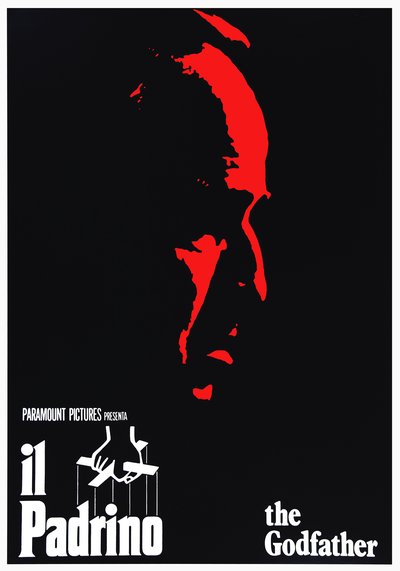
Audiences and critics alike reacted with surprise: viewers embraced these daring new stories, and the studios discovered, almost despite themselves, that cinema could be both commercial and intellectually ambitious at once. The Godfather proved that a film strongly shaped by its director’s vision could still become a global phenomenon; Jaws and Star Wars, from Spielberg and Lucas respectively, gave shape to the modern blockbuster without ever sacrificing inventiveness or character.
The legacy of New Hollywood
The rise of New Hollywood was brief but intense: in the early 1980s, the failure of several high-budget films prompted the studios to move toward more tightly controlled productions and increasingly blockbuster-driven formulas. Yet the legacy of the New Hollywood directors remained indelible. They had redefined the role of the director as an auteur, made narrative complexity and the portrayal of ambiguous characters acceptable, and paved the way for a more adult and realistic form of cinema.
For those who collect film posters or appreciate vintage cinema posters, this period is a veritable goldmine. Every poster for Bonnie and Clyde, Taxi Driver or Easy Rider is not just an advertising image: it is a fragment of history, a testament to an era when American cinema dared, took risks and redefined the very concept of visual storytelling.
Why New Hollywood Still Matters Today
The lesson of New Hollywood remains clear: cinema can be personal without turning inward, commercial without becoming conventional, innovative without losing its audience along the way. Contemporary filmmakers continue to draw on those years, on films that broke rules, mixed genres, and spoke honestly about the society around them. For collectors of vintage posters, every surviving image from that era still tells a piece of this larger story.
New Hollywood is not simply a chapter in the history of American cinema. It is an invitation, to look further, to discover new visual languages, and to collect, appreciate, and preserve the art of film. Every film, every poster, every restored "locandina" (Italian small format) keeps alive the memory of an era when cinema was never afraid to challenge the world, or its audience.
The works reproduced on this page come from original period prints, recovered, photographed and digitally restored by Movie.it.